
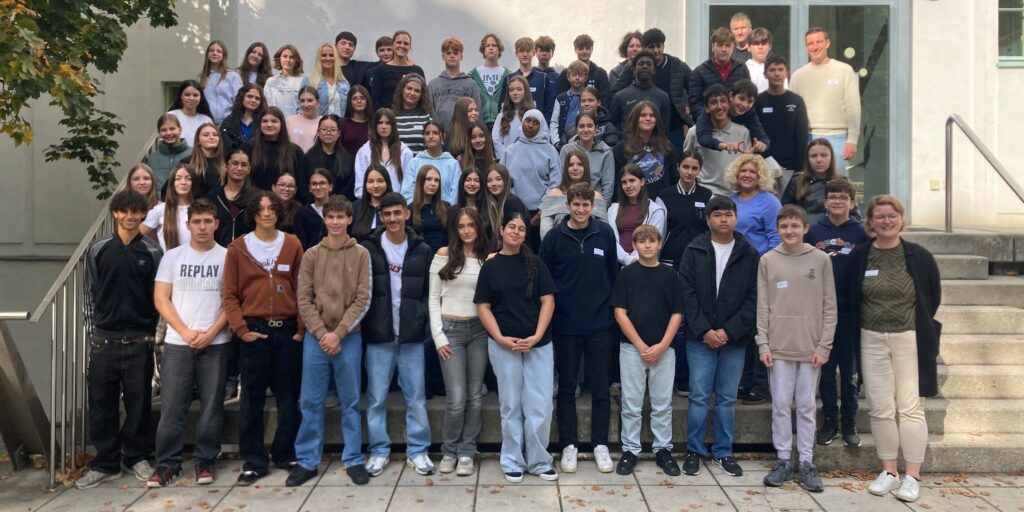
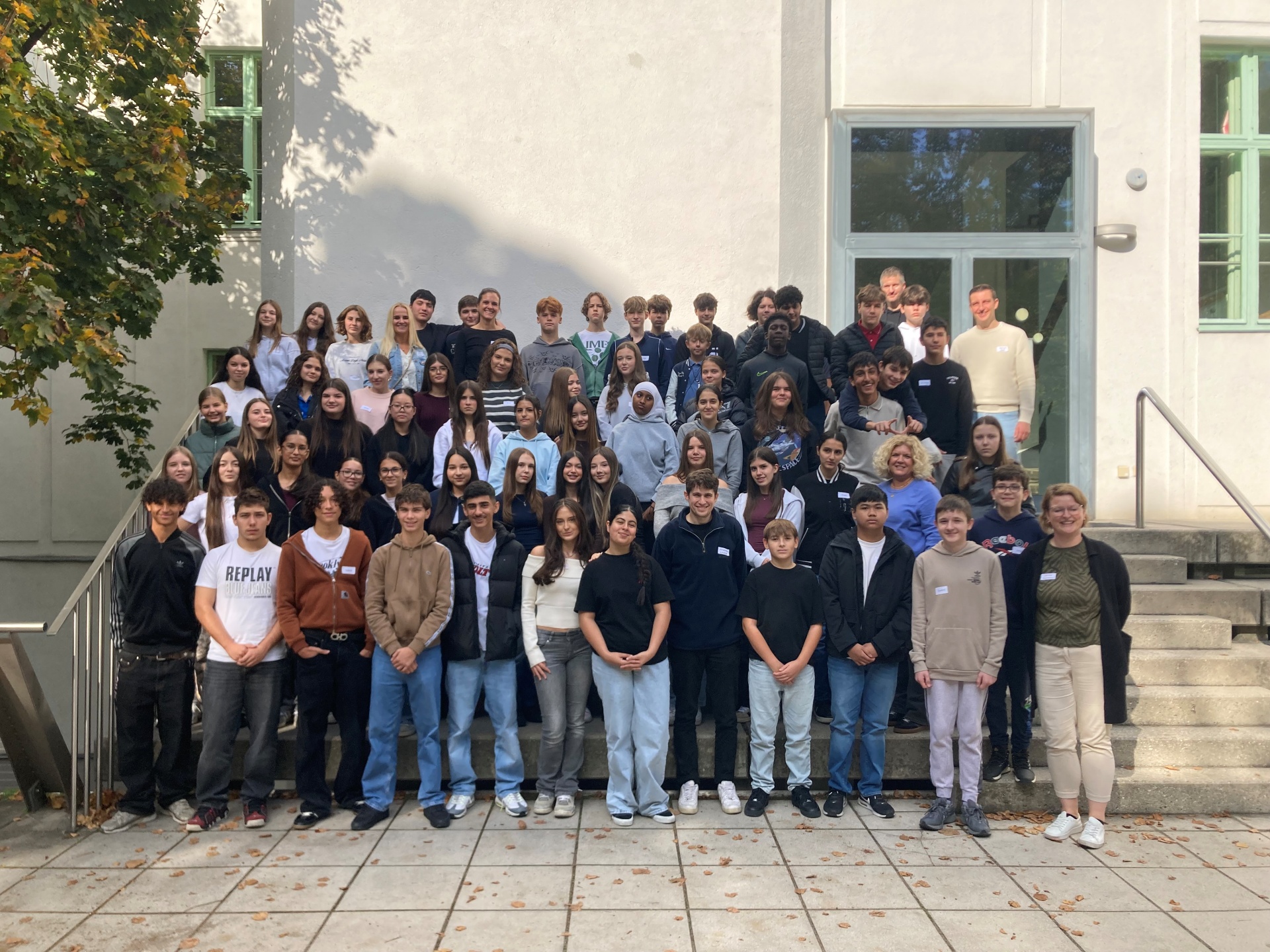
Für unsere Lernenden der 4e und 5a stand von 14.–17. Oktober ein ganz besonderes Erasmus+-Projekt mit der Realschule am Rennbuckel, Karlsruhe, Deutschland auf dem Programm. Gemeinsam arbeiteten die Jugendlichen an einem eigenen KI-Leitfaden für Schule und Lernen.
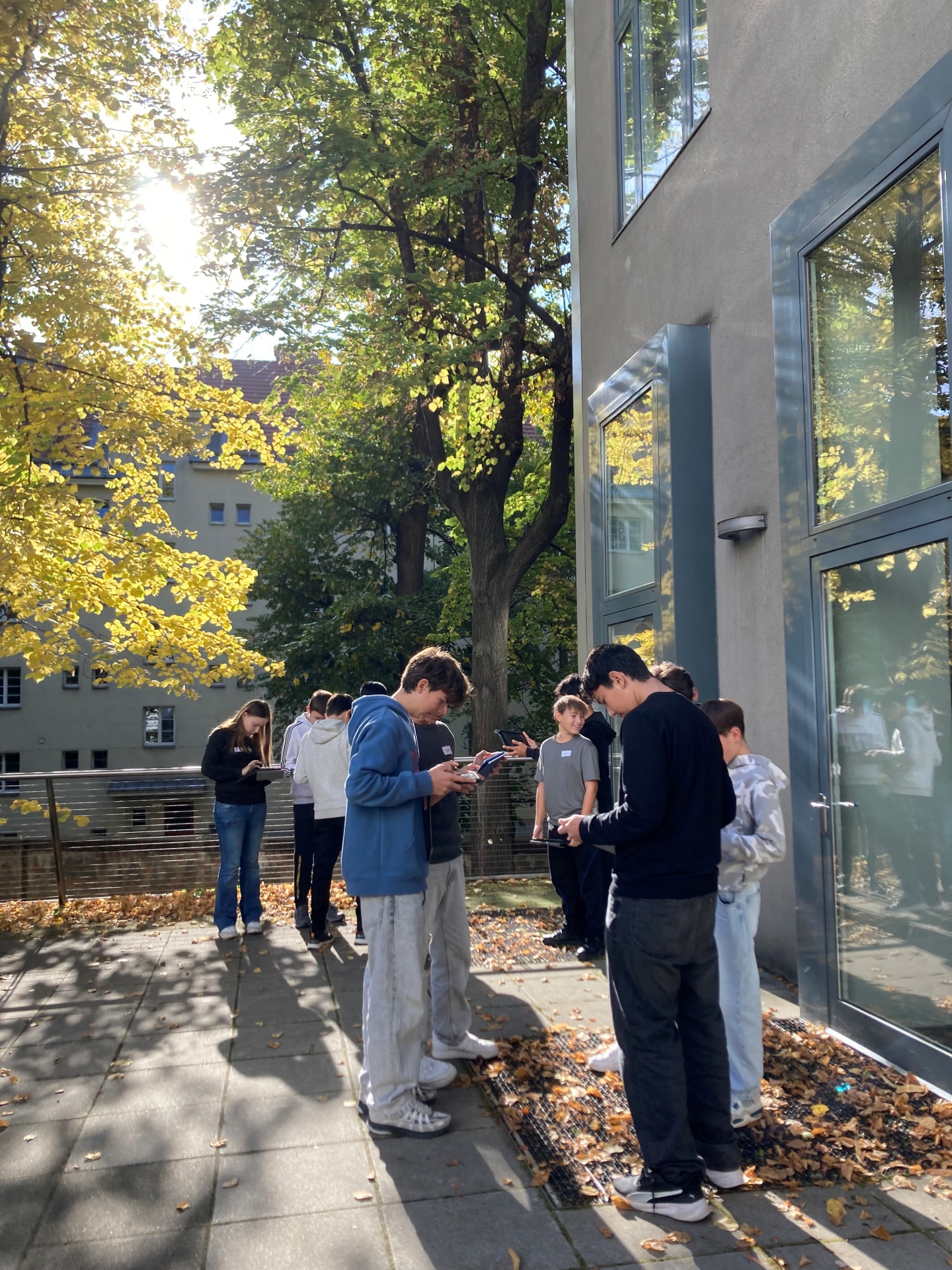
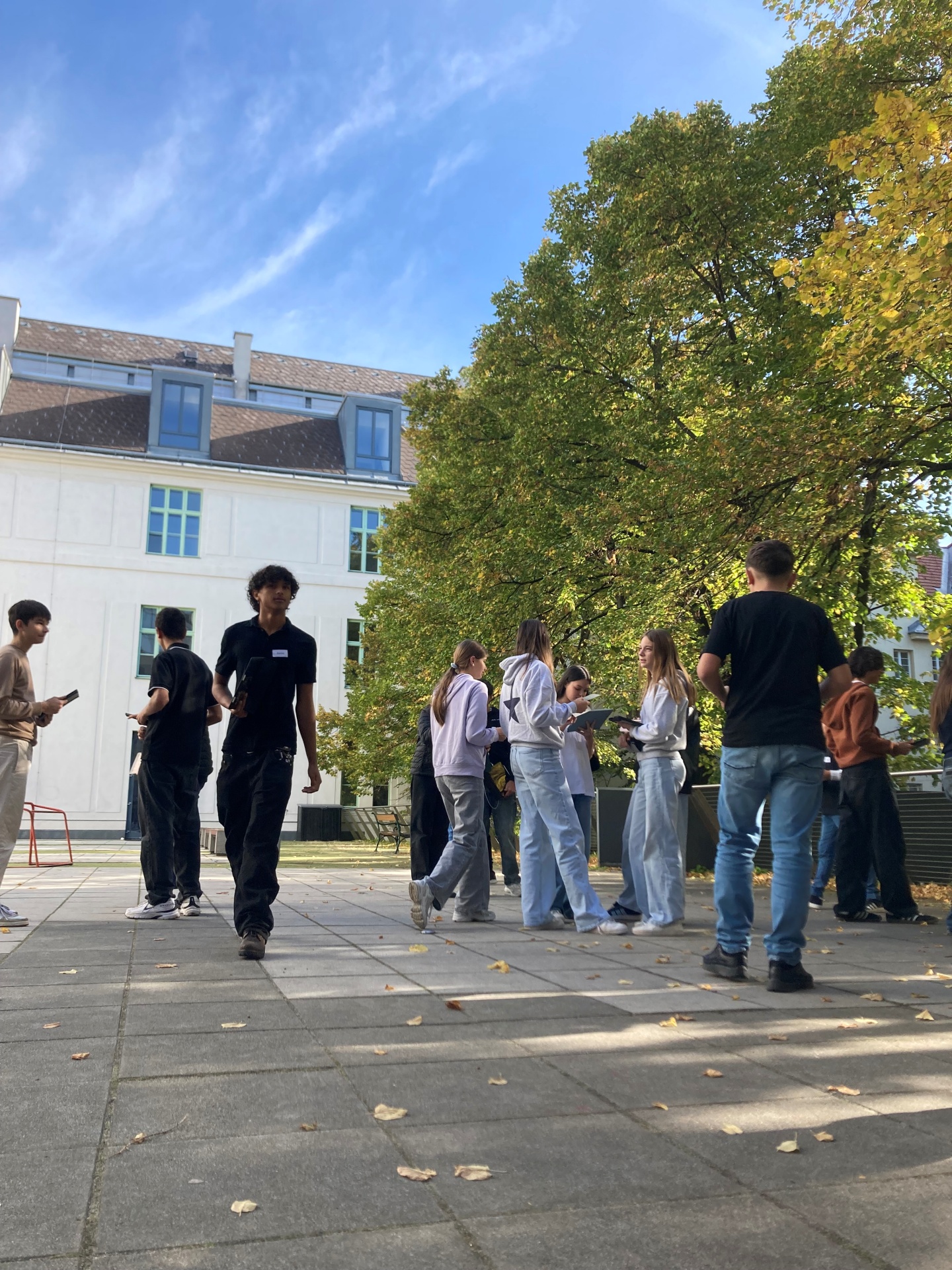
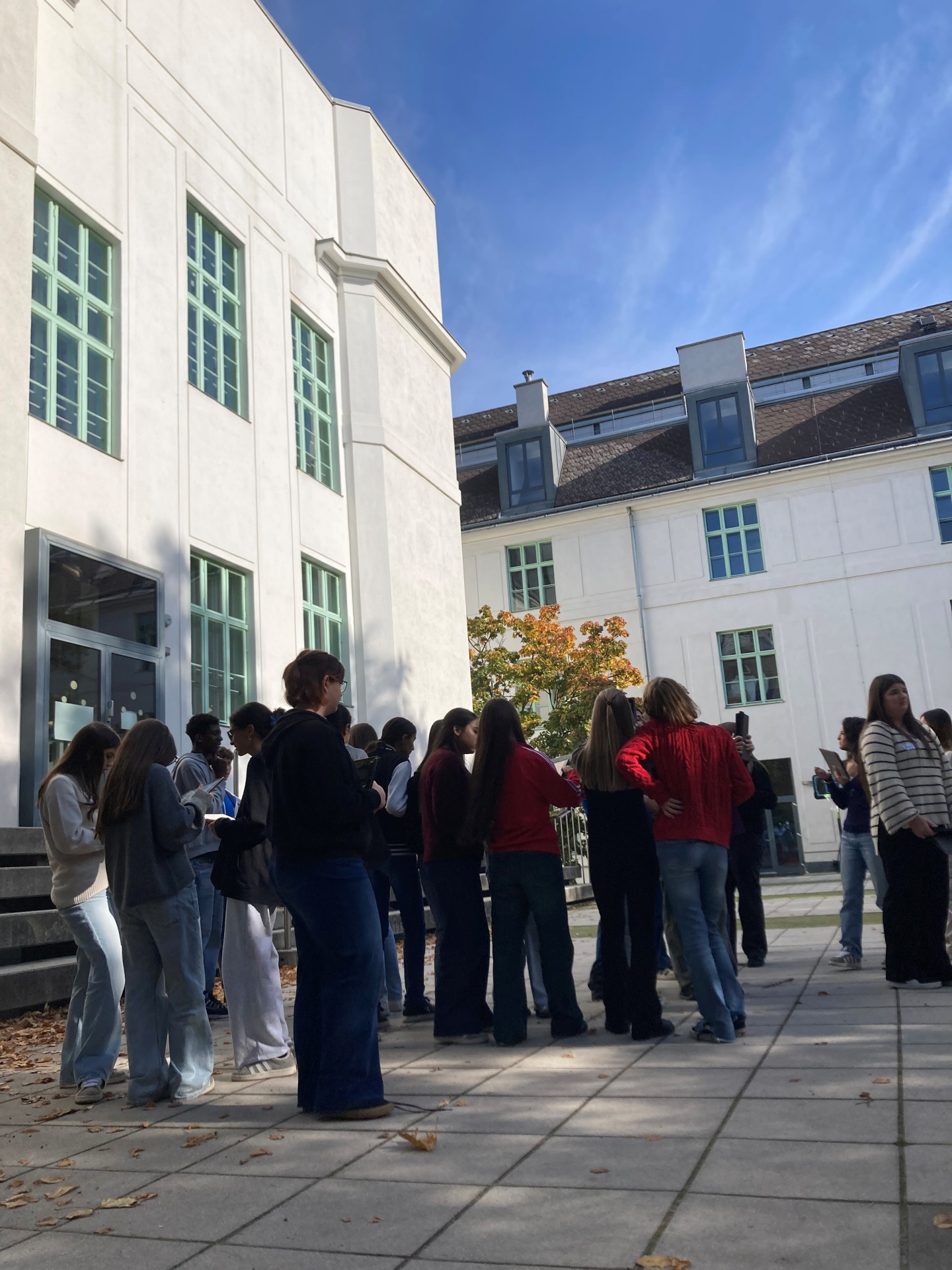
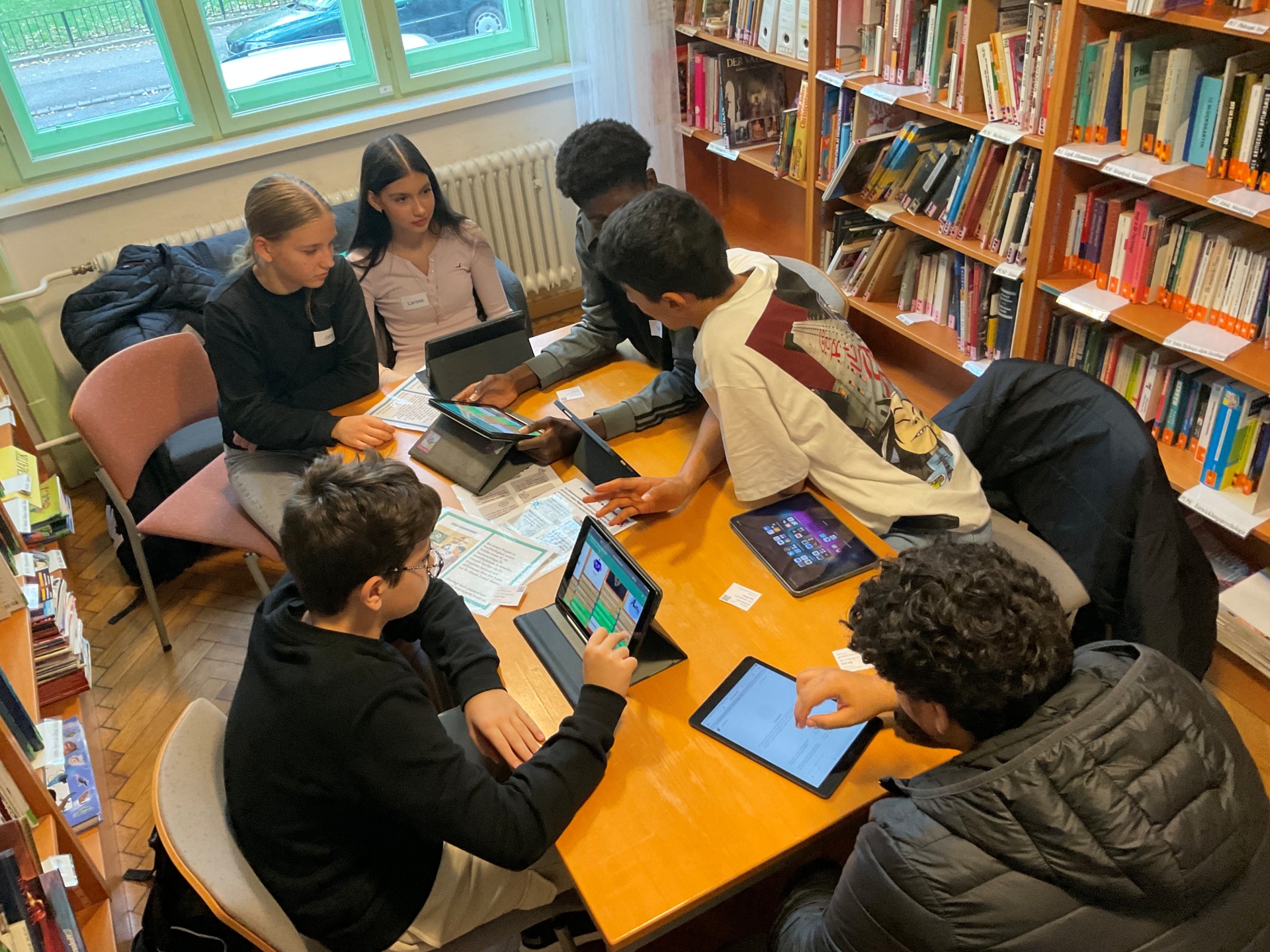
Im Mittelpunkt stand die Frage: Wie kann Künstliche Intelligenz sinnvoll, fair und verantwortungsvoll im Schulalltag eingesetzt werden? Dafür diskutierten die Teilnehmenden Chancen und Risiken von KI, analysierten Alltagssituationen und entwickelten eigene Regeln für den Umgang mit KI-Tools wie ChatGPT.
Besonders spannend war der internationale Austausch zwischen Wien und Karlsruhe: Die Schülerinnen und Schüler brachten unterschiedliche Perspektiven, Erfahrungen und Ideen ein und merkten schnell, dass viele Fragen rund um KI junge Menschen in ganz Europa beschäftigen.
Im Laufe des Projekts entstanden kreative Fallbeispiele, Diskussionen über Datenschutz, Fairness und Eigenleistung sowie erste Entwürfe für gemeinsame KI-Guidelines. Ziel war es, einen Leitfaden zu entwickeln, der nicht nur Regeln vorgibt, sondern auch zum Nachdenken über verantwortungsvolle KI-Nutzung anregt.
Das Projekt zeigte eindrucksvoll, wie wichtig digitale Kompetenzen, kritisches Denken und internationale Zusammenarbeit in einer zunehmend von KI geprägten Welt sind.
From October 14–17, our students took part in a special Erasmus+ project together with the RS Rennbuckel, Karlsruhe, Germany. During the project, the students worked collaboratively on creating their own AI Guidelines for school and learning.
The main question throughout the week was: How can artificial intelligence be used responsibly, fairly, and meaningfully in education? To explore this, the students discussed both the opportunities and risks of AI, analysed real-life situations, and developed their own ideas for using AI tools such as ChatGPT in a responsible way.
One of the most exciting aspects of the project was the international exchange between students from Vienna and Karlsruhe. The participants shared different perspectives, experiences, and opinions and quickly realised that many questions surrounding AI are relevant for young people all across Europe.
Throughout the project, the students created creative case studies, discussed topics such as privacy, fairness, and independent work, and designed first drafts of shared AI guidelines. The goal was not only to create rules, but also to encourage critical thinking about the responsible use of AI.
The Erasmus+ project highlighted the importance of digital skills, critical thinking, and international cooperation in a world that is increasingly shaped by artificial intelligence.
Prof.in Anna Maria Gombocz


Funded by the European Union. Views and opinions expressed are however those of the author(s) only and do not necessarily reflect those of the European Union or OeAD-GmbH. Neither the European Union nor the granting authority can be held responsible for them.